
In searching for the right washable rug with rubber backing vs separate rug pad solution, I discovered it’s less about which is better and more about understanding what you need and how different setups solve your day-to-day rug headaches. Rugs are deceptively complicated. You want comfort, safety, easy cleaning, and floors that don’t look like they survived a wrestling match. But achieving all that? Tricky.
Let me walk you through the core challenges people face when deciding between a rug that has a built-in rubber backing and buying a separate rug pad and why this debate goes beyond just buy one or the other. Spoiler: there’s no one-size-fits-all, and sometimes combining both is what actually works.

What Makes It Effective for washable rug with rubber backing vs separate rug pad
First, let’s break down the essentials. When you’re shopping for washable rugs or pads, your goals usually include:
- Non-slip safety nobody wants a rug sliding underfoot
- Protection for hardwood or carpet underneath
- Easy upkeep, especially if you have kids or pets
- Comfort and a nice look without bulky layers
- Durability in high traffic areas
Now, most washable rugs with rubber backing try to tackle many of these with a single product. Take an example like the Vanmoos 6×9 area rug machine washable with a TPR rubber backing. it’s soft, low-pile, and designed to stay put. But how does that compare with the classic approach of using a separate rug pad beneath a non-washable rug? here’s what I mean:
Built-in Rubber Backing: The Streamlined Approach
Rugs with rubber backing come ready to go. The rubber layer grips the floor, reducing slip. Plus, it means you don’t have to buy an extra accessory, which is appealing if you want simplicity. they’re often thinner, so you don’t get door or furniture clearance issues.
However, here’s the rub (pun intended): these backing materials can sometimes trap moisture against hardwood floors, potentially leading to discoloration or damage over time especially if your floor isn’t sealed well or the rug doesn’t dry fully between washes.
And yes, I learned this the hard way. I bought a washable rug with rubber backing for my hardwood floors thinking it would be hands-off. A few months later, I noticed some fading where the rug sat. Lesson? Not all rubber backings breathe well or handle moisture perfectly.
Separate Rug Pads: The Customizable Cushion
Using a separate rug pad lets you customize how thick or cushioned your rug feels and often provides better air circulation between the rug and floor. Pads come in various materials like felt, memory foam, or rubberized mesh, each with different grip and cushioning profiles.
The downside? it’s another piece to manage. It might increase the overall height of the rug, causing door clearance issues. Plus, you have to consider if your rug is machine washable, how you’ll remove the pad for washing (usually you can’t easily wash the pad), or if the pad will shift during cleaning.
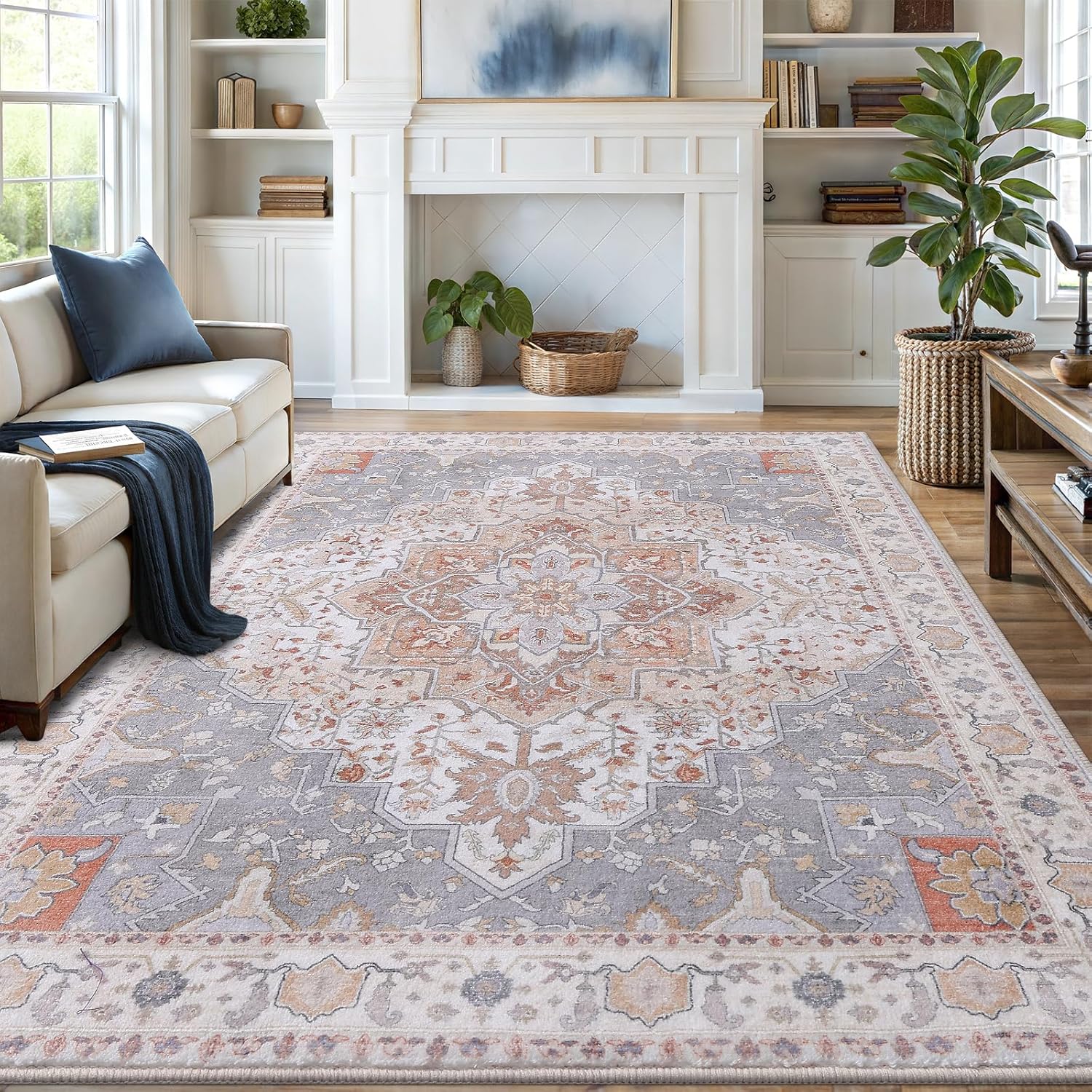
Vanmoos 6×9 Machine-Washable Area Rug — Artistic Flair / Beige
Low-pile, non-slip rug that minimizes pet hair collection and makes quick cleanup part of your routine.
Affiliate link — may earn a commission at no extra cost to you.
But the result? A more protective layer for floors, especially in high-traffic areas or over sensitive surfaces. Plus, felt pads can add warmth and sound insulation, which is a nice bonus.
Real User Scenarios and Problem-Solving Approaches
here’s a quick story from a friend who juggled this exact dilemma:
I have a toddler and two dogs, so stains and tripping risks are on my radar. I first went with a washable rug that had rubber backing because it claimed to be non-slip and easy to clean. At first, it was great just toss it in the washing machine. But after a couple of months, the rug started sliding on my hardwood floor when the dogs darted in, and I caught myself stumbling. I added a thin felt rug pad underneath to improve grip and cushion. Oddly enough, the rug was less slippery but harder to wash because of the pad. Now, I remove the pad before washing and lay the rug flat to dry. it’s a bit more work but safer and my floors are still intact.
This illustrates the balancing act. A built-in rubber backing can solve most slip issues, but sometimes it’s not enough or introduces moisture concerns. A separate pad improves protection and cushioning but complicates washing.
Breaking It Down: Pros and Cons
| Feature | Washable Rug with Rubber Backing | Separate Rug Pad |
|---|---|---|
| Slip Resistance | Generally good, but can wear off over time | Varies by pad type; felt pads less grippy than rubber-based pads |
| Floor Protection | Moderate; rubber can trap moisture | Excellent; felt and foam pads cushion and absorb impact |
| Ease of Cleaning | Easy machine washable as a whole | Rug washable but pad usually not; requires removal |
| Thickness & Clearance | Thin profile, fits under doors easily | Adds bulk, may interfere with doors/furniture |
| Durability | Rubber backing can degrade over time | Pads vary but generally last longer than integrated backings |
Myth-Busting: Bigger doesn’t Always Mean Better
People often think thicker rug pads = better grip and comfort. Not always true. Occasionally, a pad too thick for your space causes doors to jam or makes the rug feel like a mini trampoline. For washable rugs, thinner rubber backing or a slim pad that fits neatly under the rug is often more practical. Think of it like pancakes the fluffier the stack, the harder to control the wobble.
Tools and Tips to Get It Right
- Check your floor type. Solid hardwood? Go easy on moisture traps.
- Use moisture barrier pads for hardwood. Some pads have a breathable barrier that protects without trapping moisture.
- Test rug movement. Try placing your rug on the floor with and without a pad to see what feels safer.
- Use rug grippers. Small adhesive pads can supplement grip if your rug slides.
- Consider rug thickness for door clearance. Measure before buying.
- For pets and kids, prioritize washable surfaces. A rug like the Vanmoos washable rug with rubber backing offers stain resistance and easy machine cleaning super helpful.
Unexpected Analogy: Rug Choices Like Shoes
Think of rugs with rubber backing versus separate pads like choosing shoes. Rubber-backed rugs are like slip-on sneakers easy, immediate comfort, ready to go. Separate pads are like orthotic insoles you add for extra support; not as simple but often needed if your feet (or floors) demand more care. Sometimes both together are the best combo.
Case Study: A Busy Family s Living Room Makeover
The Johnson family was tired of their kids slipping on the hardwood floor when running around. They tried a washable rug with rubber backing, which worked well initially. But the dogs muddy paws and spills led to frequent washes. Adding a separate pad complicated washing so they picked a low-pile rug with an ultra-thin TPR rubber backing (like the Vanmoos rug mentioned). They skipped the pad for now, relying on the rug s durable backing combined with frequent vacuuming and spot-cleaning. The result? Safer footing, easier maintenance, and no door-blocking.
Key Takeaways for Your Washable Rug Dilemma
- Assess your priorities: Safety, floor protection, ease of cleaning, or aesthetics?
- Consider your space: Door clearance and floor sensitivity matter.
- Test grip: don’t just trust labels try moving the rug around.
- Be ready for maintenance trade-offs: Separate pads complicate washing but offer more cushioning.
- Look for innovative designs: Rugs like Vanmoos combine washable convenience with sturdy rubber backing that suits busy households.
- Use accessories: Rug grippers or non-slip tape can enhance stability without bulky pads.
Ultimately, your washable rug and backing choices should fit your lifestyle and floor type not the other way around. Whether you pick a rubber-backed washable rug or go for a classic rug plus pad setup, understanding these trade-offs keeps your feet comfortable, your floors safe, and your cleaning routine manageable.
🎁 Grab This Deal While It Lasts
👉 Check the Latest Price on Amazon 👈
⭐️ Trusted by 1,000+ Customers Worldwide