
What sets successful rug with rubber backing that grips floors safely solutions apart is their ability to address everyday frustrations that users don’t always voice but constantly deal with. It goes beyond just non-slip claims to providing durable, practical, and easy-to-maintain support that fits into your routine whether you live with kids, pets, or hardwood floors prone to scratches.

Why This Approach Solves rug with rubber backing that grips floors safely Challenges
Users face multiple challenges when trying to find a rug that stays put without damaging floors or becoming a hazard. Common issues include slipping, curling edges, difficulty cleaning, and trapped dirt. Your ideal rug solution needs to handle high-traffic wear while being gentle on floors and feet.
Take it from real-life feedback: slipping rugs cause falls and frustration. Too often, people rely on bulky rug pads or double-sided tapes, only to find them inconvenient and ineffective on certain surfaces like polished hardwood or tile.
Common User Problems and Their Consequences
- Slipping and sliding: Rugs without effective grips move easily, especially on smooth floors, creating tripping hazards.
- Floor damage: Some rubber backings trap moisture or contain chemicals that discolor or degrade hardwood finishes.
- Cleaning challenges: Thick pile or backing materials sometimes trap dust, pet hair, and allergens, complicating maintenance.
- Edge curling and bunching: Thick rugs or poor backing can cause corners to curl, increasing risks and causing annoyance.
- Limited durability: Over time, certain backing materials degrade or lose grip, especially in busy households.
here’s what I mean: a rug sliding under your feet isn’t just a minor annoyance; it can lead to real injuries, especially with older adults or active kids around. And yes, I learned this the hard way when a supposedly non-slip mat sent me stumbling on polished flooring.
Analyzing Different Approaches to Grippy Rugs
| Backing Type | Grip Effectiveness | Floor Friendliness | Maintenance Ease | Durability |
|---|---|---|---|---|
| Traditional Rubber | High (initially) | Moderate (may trap moisture) | Moderate (can collect dust) | Moderate (can harden over time) |
| TPR Rubber (Thermoplastic Rubber) | Consistent high grip | Safe for hardwood & laminate | Easy to clean, less residue | High durability, flexible |
| Cork Backing | Low to moderate grip | Highly floor safe | Moderate (absorbent) | Lower (prone to wear) |
| Latex Backing | Moderate grip | Variable (can stain floors) | Moderate (can collect debris) | Medium durability |
Notice how technologies like TPR rubber backing (used in products like the Vanmoos 6×9 area rug) balance grip and floor protection better than traditional rubber. Its flexible nature adapts to flooring imperfections, maintaining hold without damage.
Trash the Rug Pad? Think Twice.
A common myth is that you always need a separate rug pad to secure and protect. Bigger doesn’t always mean better here. Thick cushiony pads can create hazards by distorting rug edges and may trap moisture leading to mold or damage under the rug. Sometimes thin, integrated backing like TPR offers a safer, more reliable hold without an added layer.
“I stopped using heavy rug pads after switching to a thin, rubber-backed rug. No slipping, no bulky feel, and my floors look cleaner.”
Personal Homeowner Experience
Insights From Real Users on Staying Safe with Rugs
Consider homeowners who live in busy apartments with hardwood floors. They tell stories of rugs that kept sliding despite multiple tapes and pads. Since switching to rugs with thin, built-in TPR backing, their relief is palpable: walking barefoot no longer feels like a tightrope act.
Another scenario: pet owners often worry about claws damaging the rug or backing catching hair. Rugs with non-shedding, low-pile polyester surface paired with a flexible rubber backing reduce snagging and simplify cleaning. The result? A practical floor solution that fits pet and kid needs alike.
Unexpected Analogy: The Rug as a Seatbelt for Your Floor
Think of a rug with the right rubber backing like a seatbelt for your floor and feet. It restrains movement just enough to protect but not restricts. Too loose, and you risk injury; too tight or abrasive, and you cause damage. The goal is consistent grip with cushioned safety.
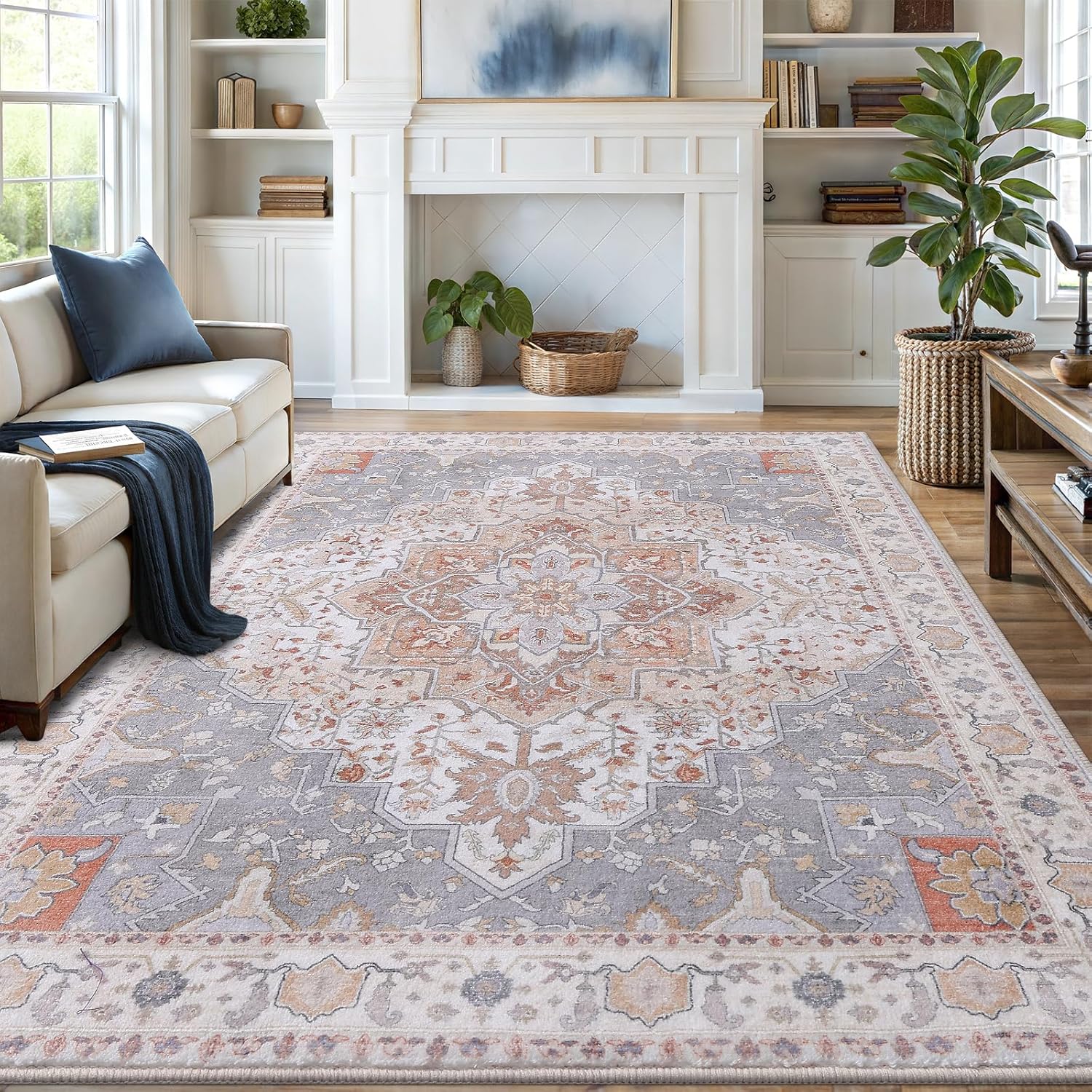
Vanmoos 6×9 Machine-Washable Area Rug — Artistic Flair / Beige
Low-pile, non-slip rug that minimizes pet hair collection and makes quick cleanup part of your routine.
Affiliate link — may earn a commission at no extra cost to you.
Practical Methods to Evaluate Rug Backings Before You Buy
- Touch and Flex Test: Flexible backings conform better and maintain grip longer.
- Check Floor Compatibility: Avoid backings that use adhesives or latex if you have delicate hardwood or vinyl.
- Low Profile Matters: Thin rugs reduce edge curling and door obstructions.
- Maintenance Plan: Choose machine-washable or vacuum-friendly rugs to keep grip and hygiene intact.
- Trial Run: If possible, test placement on your floor before full commitment.
The Vanmoos Area Rug as an Example Solution
While I’m not here to pitch a product, the Vanmoos 6×9 model exemplifies many principles discussed:
- It features a TPR rubber backing, known for excellent grip without floor damage.
- The slim design reduces tripping hazards and fits under doors smoothly.
- Machine washable polyester surface tackles pet hair and stains effectively.
- Designed for high-traffic areas, balancing softness with resilience.
For busy households, especially with kids and pets, such characteristics matter more than just aesthetics. it’s about practical usability.
Exploring Both Sides of the Rubber Backing Debate
Pros of rubber-backed rugs:
- Strong grip minimizes accidents.
- Protects floors from scratches caused by rug movement.
- Usually moisture-resistant and long-lasting.
Cons to consider:
- If poor quality, backings can degrade and become sticky or brittle.
- Some rubbers may discolor floors if trapped moisture accumulates.
- Not always the best option for thick pile rugs, which may curl.
Actionable Recommendations for Users Tackling This Challenge
- Prioritize backing material: Opt for TPR or quality rubber that balances grip and floor safety.
- Regular maintenance: Vacuum and spot-clean; avoid buildup that lessens grip.
- Mind your floor type: Vintage hardwoods might require extra care and periodic inspections.
- Use thin, low-profile rugs: They reduce tripping and door blockage issues.
- Rotate rugs periodically: Wear patterns emerge, and shifting placement increases longevity.
- Leverage technology: Modern rug backings incorporate eco-friendly, non-toxic materials to reduce chemical risks.
When all is said and done, choosing a rug with rubber backing that genuinely grips floors safely demands a bit of research, but it pays off in peace of mind and durability. Your floors and your feet will thank you.
💎 Upgrade Your Life – Make the Smart Choice!
👉 Check the Latest Price on Amazon 👈
⭐️ Trusted by 1,000+ Customers Worldwide