
What surprised me most about how to stop rugs from bunching under chairs solutions is how often the problem is misunderstood or oversimplified. Many people assume the rug just needs to be bigger or heavier, but the reality is far more nuanced. Your chair s movement, the rug s material, the floor type, and even the room s layout all play a role. And yes, I learned this the hard way after countless frustrated attempts to keep my living room tidy.

Benefits Specific to how to stop rugs from bunching under chairs
Before diving into solutions, let’s clarify why solving this problem matters. A rug that bunches under chairs isn’t just an eyesore; it can cause tripping hazards, damage your flooring, and wear out both the rug and chair legs prematurely. The right approach improves safety, extends the life of your furnishings, and keeps your space looking polished.
Understanding the Core Problems
First, let’s identify the common challenges:
- Movement of Chairs: Rolling or sliding chairs tug at the rug s edges, causing folds and wrinkles.
- Rug Material and Thickness: Thick, plush rugs tend to bunch more easily, especially under frequent chair movement.
- Floor Surface: Smooth floors like hardwood or tile offer less grip, making rugs prone to shifting.
- Rug Size and Placement: Rugs that are too small or improperly positioned invite bunching as chairs extend beyond their edges.
Why Bigger doesn’t Always Mean Better
Contrary to popular belief, simply buying a larger rug isn’t always the answer. A rug too big for the space can create awkward folds or trip hazards, especially if it extends beyond doorways or furniture legs. it’s like trying to fit a square peg in a round hole the mismatch causes more problems than it solves.
Practical Approaches to Keep Rugs Flat Under Chairs
1. Use Rug Pads with Non-Slip Backing
One of the most effective ways to prevent bunching is adding a quality rug pad underneath. These pads increase friction between the rug and floor, anchoring it firmly in place. Look for pads made of natural rubber or TPR (thermoplastic rubber), which provide a strong grip without damaging your floor.
here’s what I mean: without a pad, your rug slides every time the chair moves. With a pad, the rug stays put, reducing wrinkles and folds.
2. Choose Low-Pile or Flat-Weave Rugs
High-pile rugs are cozy but tend to bunch easily under chair movement. Low-pile or flat-weave rugs offer less resistance and stay flatter. They also make it easier for chairs to glide smoothly without tugging the rug along.
For instance, a polyester low-pile rug with a slim profile can be a game changer. It balances softness with durability and is less prone to bunching.
3. Secure Edges with Double-Sided Carpet Tape or Rug Grippers
Double-sided tape or specialized rug grippers can be applied to the rug s edges or corners to hold it firmly in place. This method is especially useful for rugs on hardwood or tile floors where slipping is common.
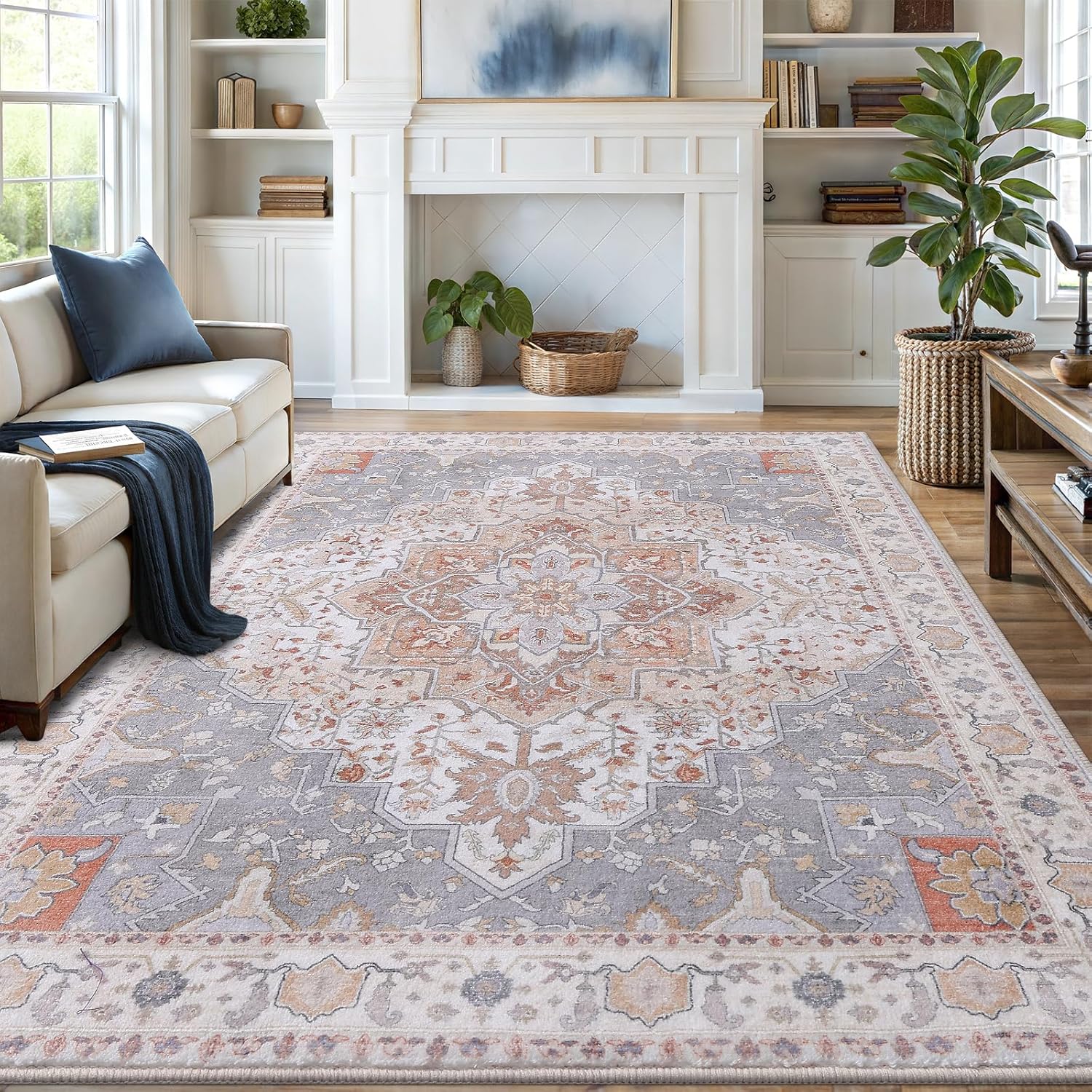
Vanmoos 6×9 Machine-Washable Area Rug — Artistic Flair / Beige
Low-pile, non-slip rug that minimizes pet hair collection and makes quick cleanup part of your routine.
Affiliate link — may earn a commission at no extra cost to you.
- Be mindful to choose tape that won’t leave residue or damage your flooring.
- Test a small area before full application.
4. Adjust Chair Movement and Use Chair Mats
Sometimes the problem isn’t the rug but how the chair moves. Using a chair mat can protect the rug and floor from damage and reduce rug displacement. Alternatively, swapping rolling chairs for ones with glides or felt pads can minimize tugging.
5. Regular Maintenance and Repositioning
Rugs need occasional adjustment. Rolling the rug in the opposite direction of the bunching or smoothing out wrinkles daily can prevent permanent folds. Vacuuming also helps maintain the rug s shape and prevents dirt buildup that can cause uneven surfaces.
Case Study: A Busy Home Office Setup
Jane, a freelance graphic designer, struggled with her office rug bunching under her rolling chair. She tried a larger rug, but it created new tripping hazards near the door. After consulting with a flooring expert, she added a TPR-backed rug pad and switched to a low-pile, machine-washable rug. The result? Her rug stayed flat, her chair moved smoothly, and her workspace felt more comfortable and safe.
Comparing Common Solutions
| Solution | Pros | Cons | Best For |
|---|---|---|---|
| Rug Pads (Rubber or TPR) | Strong grip, protects floor, reusable | May require trimming, can be costly | Hardwood, tile floors, high-traffic areas |
| Double-Sided Tape | Easy to apply, inexpensive | Residue risk, less durable | Temporary fixes, low-traffic rooms |
| Low-Pile Rugs | Less bunching, easy to clean | Less plush, may feel less cozy | Office, dining rooms, pet-friendly homes |
| Chair Mats | Protects rug and floor, smooth chair movement | Can be visually intrusive, extra cost | Workspaces, home offices |
How a Rug Like Vanmoos Can Help
For homeowners looking for a practical rug solution, products like the Vanmoos 6×9 area rug offer a blend of features that address many of these challenges. Its slim profile and non-slip TPR backing help keep the rug flat even under frequent chair movement. Plus, its machine-washable polyester fibers make maintenance easier, especially in homes with kids and pets.
But remember: no rug alone will solve the problem if it’s not paired with proper installation and maintenance. Think of the rug as the foundation, and your methods pads, tape, chair adjustments as the structure that keeps everything stable.
Unexpected Analogy: Rugs and River Currents
Think of your rug like a leaf floating on a river. The chair s movement is the current pushing it downstream. Without something to anchor the leaf like a rock or branch it will drift and bunch up. Rug pads and grippers act as those anchors, holding the rug steady against the flow of chair movement. Without them, your rug is at the mercy of every push and pull.
Myth Busting: Bigger Rugs Always Fix Bunching
Many believe that a larger rug automatically prevents bunching under chairs. Not true. Oversized rugs can create new problems, such as folds near doorways or furniture edges, and can become tripping hazards. Proper sizing combined with anchoring techniques is the smarter approach.
Final Recommendations for Your Rug Challenges
- Start with a high-quality rug pad designed for your floor type.
- Choose rugs with a low pile or flat weave for areas with chairs.
- Secure edges with double-sided tape or rug grippers if needed.
- Consider chair mats or replace rolling chairs with glides to reduce rug tugging.
- Maintain your rug regularly by smoothing out wrinkles and vacuuming.
- Test solutions incrementally to find what works best for your space.
Addressing rug bunching under chairs requires a combination of the right materials, smart installation, and ongoing care. With these strategies, you can keep your rugs flat, your floors protected, and your home safer and more comfortable.
🎁 Grab This Deal While It Lasts
👉 Check the Latest Price on Amazon 👈
⭐️ Trusted by 1,000+ Customers Worldwide