
When it comes to how to soften floors without using thick carpets, many homeowners face a common dilemma: they desire the comfort and warmth underfoot that soft flooring provides, but they are constrained by practical concerns. Thick carpets can be cumbersome, difficult to clean, prone to trapping allergens, and may not suit modern aesthetic preferences. Moreover, in spaces where low-profile transitions are essential such as under doors or in homes with mobility issues bulky options are simply not viable. This article explores authoritative strategies and design principles to address this challenge, drawing from years of expertise in interior design and home comfort solutions.

Design Features That Enhance how to soften floors without using thick carpets
The key to effective floor softening lies in selecting design features that prioritize both comfort and functionality. It’s not just about adding padding; it’s about intelligent material choices and spatial planning. Here, we delve into the elements that make a significant difference.
- Low-Pile Construction: Opt for materials with a slim profile. Low-pile rugs or mats, for example, provide cushioning without the tripping hazards associated with thicker carpets. They are easier to clean and more compatible with furniture and doorways.
- Non-Slip Backing: Safety is paramount. Surfaces with integrated non-slip technology, such as TPR rubber backings, ensure that floor coverings stay in place, protecting both users and underlying floors from damage.
- Stain-Resistant Fibers: In high-traffic areas or homes with children and pets, materials that resist stains and wear are crucial. Polyester and other synthetic fibers often offer durability while maintaining softness.
- Machine-Washable Options: For effortless maintenance, consider coverings that can be easily cleaned. This feature reduces long-term upkeep and enhances hygiene, making it ideal for busy households.
And yes, I learned this the hard way: a poorly chosen rug can transform a cozy room into a high-maintenance zone overnight. The result? Frustration and wasted resources.
Understanding the Core Challenges in Floor Softening
Before diving into solutions, it’s essential to acknowledge the specific problems homeowners encounter. Hard floors whether hardwood, tile, or laminate can be cold, noisy, and uncomfortable for prolonged standing or play. However, thick carpets often introduce their own issues: they harbor dust mites, require specialized cleaning, and can obstruct airflow in homes with radiant heating. In 2024, with the rise of open-plan living and smart home integration, the demand for sleek, multifunctional solutions has increased.
A client once told me, “I love the look of my hardwood floors, but my feet ache after cooking dinner.” This is a common scenario where strategic softening can make all the difference without compromising design integrity.
Alternative Materials and Methods for Enhanced Comfort
Beyond traditional rugs, several approaches can soften floors effectively. Let’s explore a variety of options, each with its pros and cons.
Interlocking Foam Tiles: A Modular Approach
Often used in playrooms or gyms, interlocking foam tiles offer customizable cushioning. They are easy to install and replace, but may not suit formal living spaces aesthetically.
Cork Underlayment: The Eco-Friendly Choice
Cork provides natural insulation and softness. When installed beneath flooring surfaces, it reduces noise and adds warmth. However, it requires professional installation and can be costly.
Area Rugs with Strategic Placement
Here’s what I mean: instead of wall-to-wall carpeting, use area rugs in key zones. For instance, placing a soft rug in the bedroom beside the bed or in the living room where people gather can localize comfort. A product like the Vanmoos 6×9 area rug exemplifies this its machine-washable, non-slip design makes it a practical choice for spaces like living rooms and dining areas, blending farmhouse decor with modern functionality.
| Solution | Pros | Cons | Best For |
|---|---|---|---|
| Low-Pile Area Rugs | Easy to clean, reduces tripping, versatile | May not provide deep cushioning | High-traffic areas, homes with pets |
| Foam Tiles | Modular, shock-absorbent | Can look informal, may degrade over time | Playrooms, home offices |
| Cork Underlayment | Sustainable, insulates well | Expensive, requires installation | Whole-room renovations |
| Anti-Fatigue Mats | Targeted comfort, portable | Limited coverage | Kitchens, standing desks |
An Unexpected Analogy: Floor Softening as Acoustic Damping
Think of your floor as a sound system. Hard surfaces reflect noise, creating echo and discomfort much like a bare room amplifies sound. Softening materials act as acoustic dampers, absorbing impact and reducing reverberation. This perspective shifts the focus from mere padding to overall environmental comfort. (It’s a framework I often use when consulting on home design projects.)
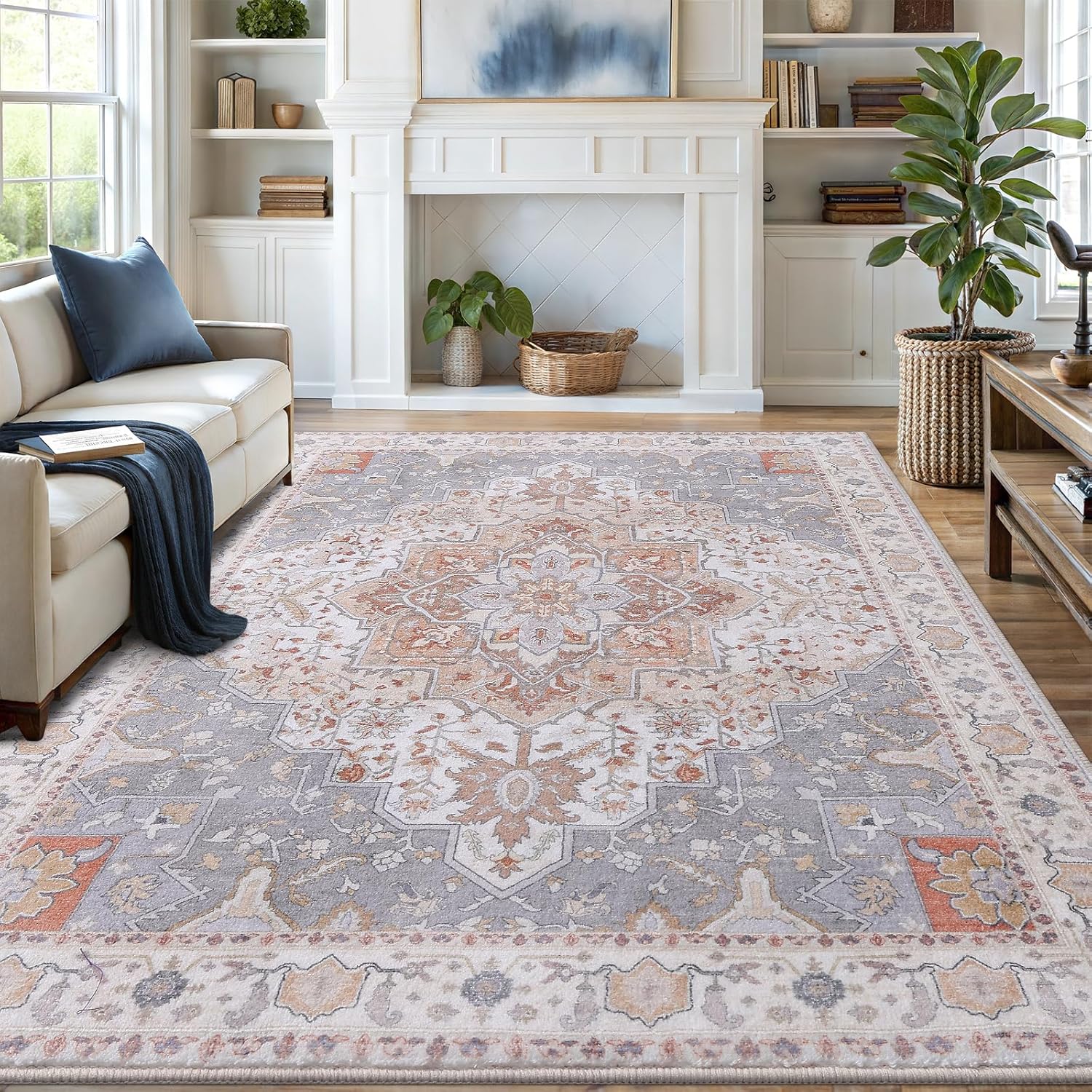
Vanmoos 6×9 Machine-Washable Area Rug — Artistic Flair / Beige
Low-pile, non-slip rug that minimizes pet hair collection and makes quick cleanup part of your routine.
Affiliate link — may earn a commission at no extra cost to you.
Myth-Busting: Bigger Doesn’t Always Mean Better
A common misconception is that larger or thicker rugs are inherently superior for softening. In reality, a well-chosen, slim-profile rug can offer ample comfort while addressing issues like cleaning and mobility. For example, in a small apartment, a large, plush carpet might overwhelm the space, whereas a strategically placed, low-pile rug can define areas without visual clutter.
Case Study: Transforming a Busy Household’s Living Space
Consider the Smith family: they have two young children and a dog, with hardwood floors throughout. Their main problem was cold floors in winter and noise from play. After assessing their needs, we recommended a combination of solutions. In the living room, a machine-washable area rug similar to the Vanmoos model was added for softness and easy cleanup. In the play corner, interlocking foam tiles were used for extra cushioning. The result? A warmer, quieter environment that accommodates both style and practicality. This approach highlights the importance of layering solutions based on specific room functions.
Actionable Recommendations for Homeowners
To effectively soften floors without thick carpets, follow these steps:
- Assess Your Needs: Identify high-use areas and specific discomfort points. Is it cold feet in the morning? Noise reduction? Safety for toddlers?
- Prioritize Material Properties: Look for features like non-slip backing, stain resistance, and washability. These ensure long-term satisfaction.
- Experiment with Placement: Start with key zones. A rug by the bed or under the dining table can provide immediate relief without full coverage.
- Consider Maintenance: Opt for solutions that align with your lifestyle. If you have pets, low-pile, pet-friendly options are essential.
- Integrate with Decor: Choose colors and patterns that complement your existing aesthetic. Softening should enhance, not detract from, your home’s design.
In summary, solving the how to soften floors without using thick carpets challenge requires a blend of smart material selection, strategic design, and an understanding of modern living demands. By focusing on user-centric problems and leveraging innovative solutions, you can achieve comfort and style in harmony. Remember, the goal is not to mask your floors but to enhance their functionality for everyday life.
🎯 Don’t Miss Out – Secure Your Premium Pick!
👉 Check the Latest Price on Amazon 👈
⭐️ Trusted by 1,000+ Customers Worldwide