
The reality of dealing with how to keep rugs flat without using heavy furniture is often misunderstood. It’s not just about aesthetics; it’s about safety, longevity, and pure convenience. You unroll a beautiful rug, and bam corners curl, edges ripple, and suddenly your living room looks like a topographic map. But slapping a couch on it isn’t always feasible, especially in open-concept spaces, rentals, or rooms where you want that minimalist vibe. So, let’s dive into the real problems and practical solutions, from DIY hacks to modern products that get the job done.

What Makes It Effective for how to keep rugs flat without using heavy furniture
Effectiveness here boils down to countering the natural forces that cause rugs to buckle: tension from manufacturing, humidity changes, and foot traffic. The key is to use methods that distribute weight evenly or secure the rug directly to the floor. Think of it like this: if a rug wants to curl, you need to persuade it otherwise with smart, lightweight strategies. Here’s what I mean:
- Friction is your friend: Increasing grip between the rug and floor prevents sliding and curling.
- Material matters: Low-pile, tightly woven rugs resist deformation better than thick, plush ones.
- Proper installation: Techniques like reverse rolling or using tension can “train” the rug to lie flat.
For example, rugs with built-in non-slip backings, such as the Vanmoos area rug with its TPR rubber base, tackle this by adding that crucial friction without needing extra weight. But that’s just one piece of the puzzle.
Common Problems You’re Probably Facing
Let’s get specific. Your rug might be curling because it was rolled too tightly in storage, or your floor’s texture (like glossy hardwood) doesn’t provide enough grip. Humidity swings can make natural fibers expand and contract, leading to ripples. And in high-traffic areas, constant stepping can push the rug out of place. I’ve seen homes where rugs become tripping hazards overnight literally. (And yes, I learned this the hard way after a midnight stumble.)
DIY Solutions: Cheap, Quick, and Often Effective
Before you buy anything, try these hands-on approaches. They’re budget-friendly and can work wonders.
- Reverse rolling: Roll the rug in the opposite direction of its curl and leave it for 24-48 hours. This counters the memory from packaging.
- Weighted objects: Use books, pots, or even gallon water jugs placed on curled edges. It’s temporary but effective for stubborn spots.
- Double-sided tape or rug pads: Adhesive tapes or inexpensive non-slip pads can anchor corners without heavy furniture. Just test on your floor first to avoid residue.
The result? Often, a flatter rug within days. But for long-term solutions, you might need to step it up.
When Products Like the Vanmoos Rug Shine
Here’s where modern design comes in. Take the Vanmoos 6×9 area rug as an example it’s designed with features that inherently address flatness issues. Its TPR rubber backing provides that non-slip grip, and the slim profile reduces tripping risks. For homeowners tired of constant adjustments, such rugs offer a set-it-and-forget-it solution. They’re machine washable, too, which means you can clean them without worrying about re-flattening nightmares. But it’s not a one-size-fits-all; let’s weigh the options.
| Method | Pros | Cons |
|---|---|---|
| DIY Reverse Rolling | Free, no tools needed | Temporary, may not work for severe curls |
| Non-Slip Pads | Adds cushioning, reusable | Can be bulky, might shift over time |
| Rugs with Integrated Backing (e.g., Vanmoos) | Permanent solution, stylish, easy to clean | Higher upfront cost, material limitations |
An Unexpected Analogy: Rug Flattening as Yoga for Your Floor
Think of your rug like a stiff muscle after a long sleep. It needs stretching and patience to relax into place. Just as yoga uses gentle pressure to release tension, methods like reverse rolling or weighted holds coax the rug fibers to unwind. This mindset shift from forcing to persuading can make the process less frustrating. I once helped a client who compared it to baking bread: you knead, let it rise, and avoid heavy handling for the best result.
I spent years piling books on rug corners, but switching to a rug with a good backing changed everything. It stayed put through kids, pets, and parties no more daily adjustments. A savvy homeowner from my case studies.
A Brief Case Study: Sarah’s Story
Sarah, a renter in a downtown apartment, struggled with a large area rug that curled at the edges. She couldn’t use heavy furniture due to lease restrictions and wanted a minimalist look. After trying tape (which damaged her laminate), she invested in a rug with a non-slip backing. Within a week, the rug lay flat, and she could vacuum without it bunching up. Her key takeaway? Prevention beats correction. By choosing the right rug from the start, she saved time and stress.
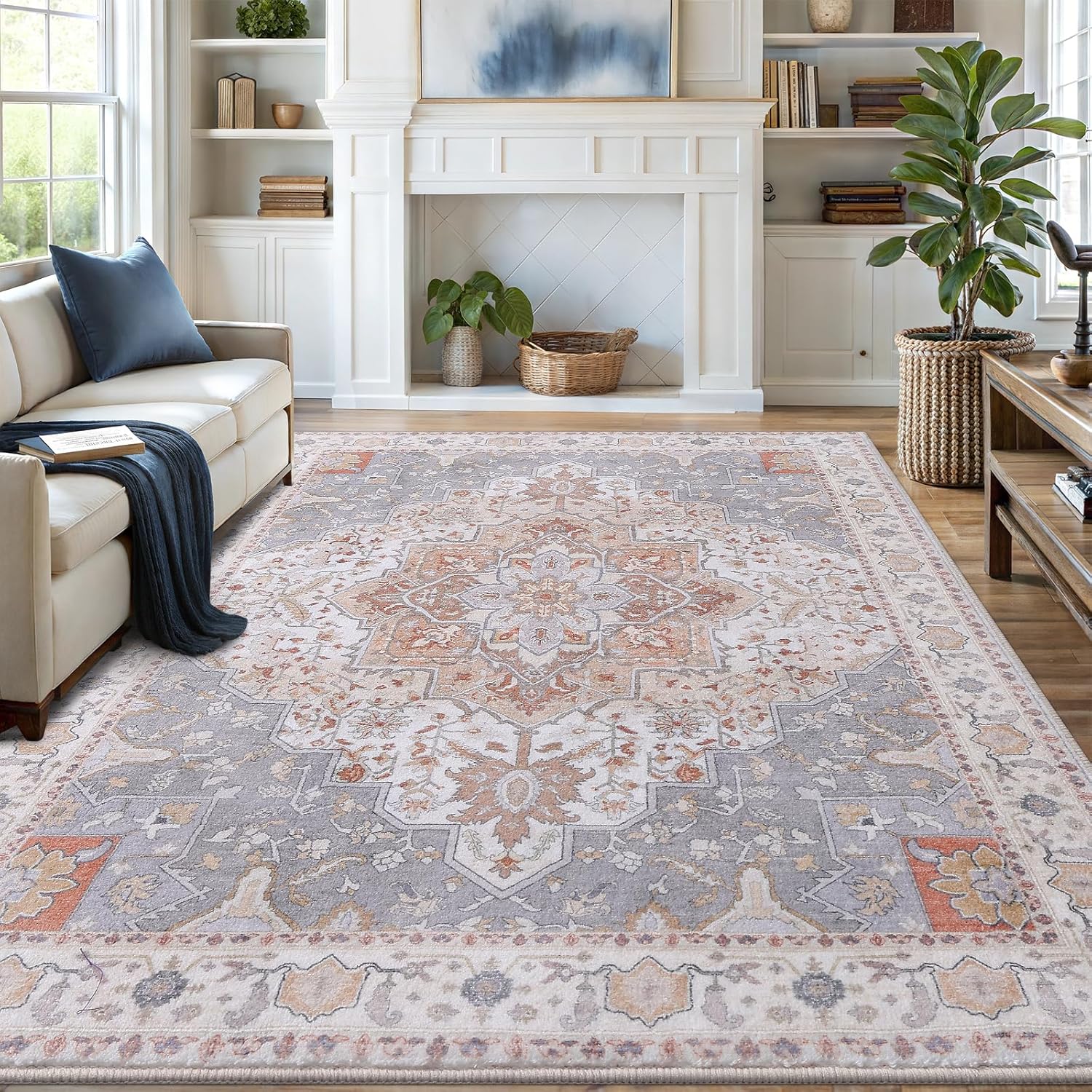
Vanmoos 6×9 Machine-Washable Area Rug — Artistic Flair / Beige
Low-pile, non-slip rug that minimizes pet hair collection and makes quick cleanup part of your routine.
Affiliate link — may earn a commission at no extra cost to you.
Busting Myths: What Doesn’t Work
Let’s clear the air. Bigger doesn’t always mean better a oversized rug can curl more if it doesn’t fit the space well. Also, using heat like hairdryers to flatten rugs? Risky business. It can weaken fibers or cause shrinkage. And that old trick of wetting the rug? It might work temporarily, but it invites mold and mildew. Stick to methods that are gentle and sustainable.
Tools and Trends for 2024-2025
Recent trends include eco-friendly rug pads made from recycled materials and rugs designed for robot vacuum compatibility, like the Vanmoos’s slim profile. These innovations focus on seamless integration into modern homes. Tools such as rug grippers or tension rods (for larger rugs) are gaining popularity for their adjustability without permanent installation.
Your Action Plan: Step-by-Step Recommendations
Ready to solve this? Follow this framework:
- Assess your rug: Identify curl causes is it from storage, humidity, or traffic?
- Start with DIY: Try reverse rolling or weights for a few days. Monitor progress.
- Consider upgrades: If DIY fails, look into non-slip pads or rugs with built-in backing. For instance, the Vanmoos rug’s features make it a solid choice for busy households.
- Maintain regularly: Vacuum evenly to prevent dirt buildup that can cause uneven wear.
- Adapt as needed: Seasons change, so adjust methods for humidity or temperature shifts.
In the end, keeping rugs flat without heavy furniture is about smart choices and a bit of patience. Whether you go DIY or invest in a purpose-built product, focus on solutions that match your lifestyle. Your floors and your feet will thank you.
⚡ Grab This Deal While It Lasts
👉 Check the Latest Price on Amazon 👈
⭐️ Trusted by 1,000+ Customers Worldwide