
The overlooked aspect of how to choose rugs that won’t trap pet dander that makes all the difference is understanding what really gets stuck in your carpets and why. it’s not just about picking some pretty rug and hoping for the best. Pet dander is tiny, persistent, and trusts no fiber. If you love your furry friends but hate the sneezing fits or constant vacuuming, you’re in the right place.

Innovation That Transforms how to choose rugs that won’t trap pet dander
let’s start with the core problem: pet dander is microscopic flakes of skin, shed continuously by dogs, cats, and even hamsters. These flakes embed themselves deep into thick, fluffy rugs. here’s what I mean: imagine trying to shake sugar out of a tightly knit wool sweater good luck getting it all out without a serious battle. that’s exactly how some thick rugs behave when it comes to dander.
So the first thing you need to do is think about fiber type and rug pile. But hold up before you get overwhelmed with choices, it helps to zero in on how you and your home interact with these fibers and cleaning routines. Spoiler: Bigger and fluffier isn’t always better.
Pet Hair and Dander: What Rugs Remember and What They Forget
Low-pile rugs often win the day here. Think of them like a neat buzz cut instead of a fluffy mane. Less surface to snag hairs and dander, easier to vacuum and clean, and they dry faster when washed. Sounds straightforward, but many people overlook this and opt for the plush versions that trap everything from dust mites to last year s shed hair.
- Low-pile rugs offer less hiding spots for dander and shed hair.
- Synthetic fibers like polyester or nylon resist trapping allergens, unlike wool, which acts like a magnet.
- Machine washable rugs allow you to deep clean often, without risking damage or professional service bills.
here’s a quick way to look at this:
| Rug Type | Traps Dander? | Ease of Cleaning | Durability | Pet-Friendliness |
|---|---|---|---|---|
| High-pile Wool | High | Hard (vacuum and professional clean) | High | Moderate (may snag paws) |
| Low-pile Synthetic (polyester, nylon) | Low | Easy (vacuum, wash in some cases) | Medium-high | High (scratch-resistant, soft) |
| Natural Fiber (jute, sisal) | Medium-High | Difficult (stains easily, hard to wash) | Variable | Low (rough texture) |
Why Fiber Matters More Than You Think
here’s a little secret: not all fibers are created equal when it comes to allergy control. Natural fibers can sometimes hold dander but also breathe well and resist some odors. Synthetics, especially polyester, are generally better at repelling both stains and allergens. Plus they tolerate frequent washing, which is your MVP move for dealing with dander. The analogy here? Think of your rug fibers like the pores in your skin. Some absorb everything, some repel and protect. Which would you rather have on your floor?
Real Talk: A Case Study in Dander Disaster
“I bought this plush wool rug for my living room expecting a lush vibe. The first week, my eyes and nose rebelled like I was living in a haystack. Vacuuming was a nightmare; my vacuum couldn’t get all the pet hair out. I realized this rug was a dander magnet. Switched to a low-pile, polyester rug that’s washable and life is so much better. The sneezes are gone, and the rug actually looks clean for longer.” Jamie M.
Jamie s story perfectly sums up how rug choice impacts home life. The texture, fiber, and cleanability spell the difference between a dander trap and a breath of fresh air.
Common Challenges When Choosing Rugs for Homes with Pets
- Trapping pet hair and dander deeply in fibers, making vacuuming almost useless.
- Difficult cleaning processes where rugs either can’t be washed or lose structure after cleaning.
- Slipping and bunching rugs causing hazards, especially when you want to vacuum or wipe down fast.
- Snagging pet claws on rough or long fibers that lead to damage or unhappy paws.
- Too thick or bulky rugs that complicate furniture placement and door clearance, increasing cleaning headache.
How to Make Your Rug Work For You (And Your Pets)
there’s a playbook to avoid rubbing your eyes raw or dealing with cleaning marathons every weekend. Here are the winning moves:
- Pick rugs with low-pile and tight weave patterns. This reduces where dander can hide and simplifies vacuuming.
- Opt for machine-washable options so you can reset the allergen level quickly without waiting weeks for professional clean.
- Consider rugs with rubber or non-slip backing to keep things put during cleaning or play.
- Choose synthetic, stain-resistant fibers that don’t shed themselves and repel dirt.
- Think thin and trim slim rugs don’t pile up allergens and fit better under doors or furniture.
Vanmoos Rugs: One Piece of the Puzzle for Allergic Homes
For homeowners tired of the endless battle against pet dander in rugs, some products like the Vanmoos 6×9 Area Rug provide an example of a well-thought-out approach to these challenges. it’s not a silver bullet, but here’s why it helps:
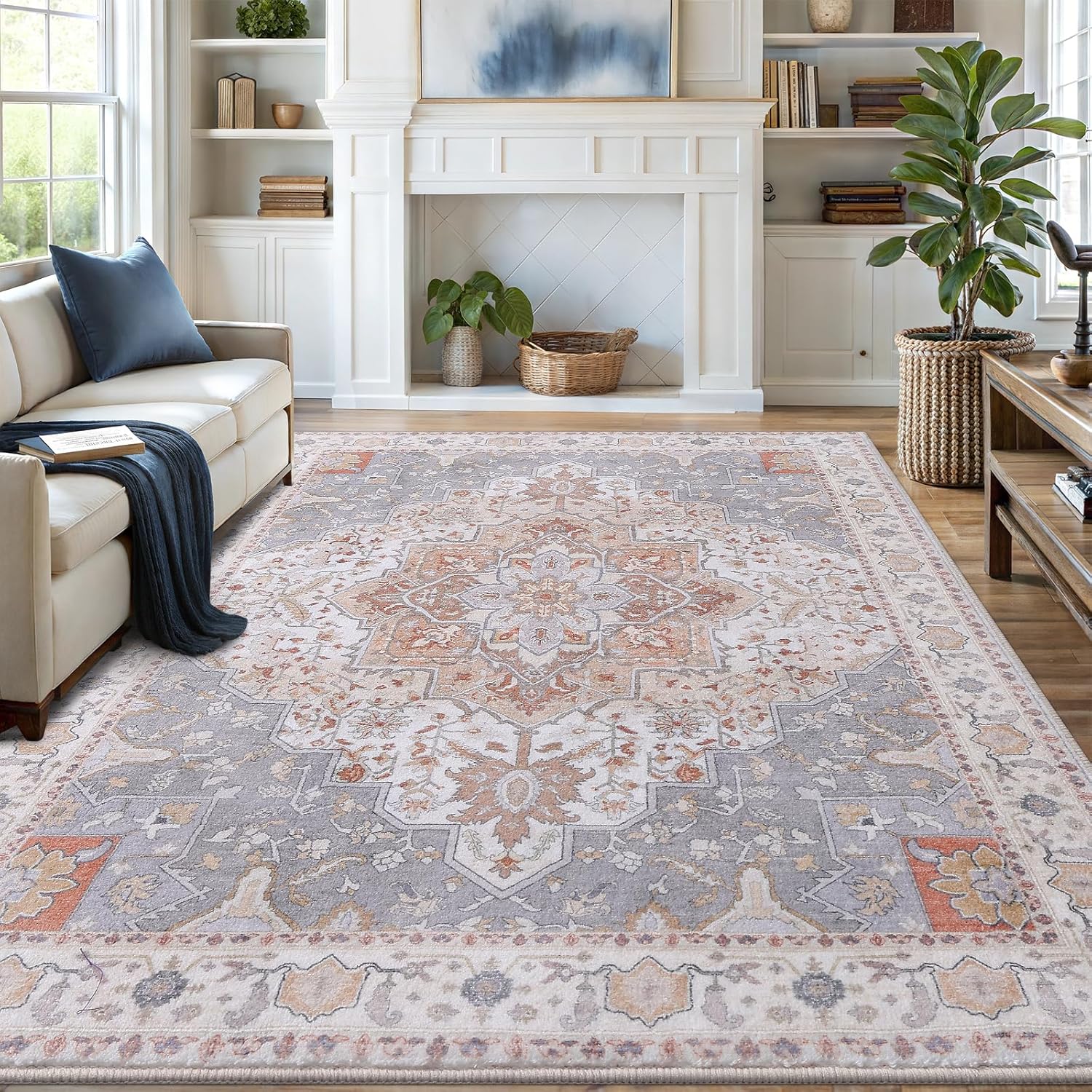
Vanmoos 6×9 Machine-Washable Area Rug — Artistic Flair / Beige
Low-pile, non-slip rug that minimizes pet hair collection and makes quick cleanup part of your routine.
Affiliate link — may earn a commission at no extra cost to you.
- Low-pile, polyester fiber that resists shedding and traps less dander.
- Machine washable for quick deep-clean cycles after play sessions or allergy flare-ups.
- Non-slip backing keeps the rug firmly in place during cleaning and daily use.
- Slim enough to fit under doors and furniture without complicating your vacuum routine.
And yes, I learned this the hard way: ignoring these factors means weeks of battling invisible allergens that your vacuum can’t quite reach.
Busting a Myth: Bigger Rugs don’t Mean Better Cleanability
Bigger rugs might cover more floor, but they aren’t easier to maintain. They trap more dander, require bigger vacuums or professional cleaning, and take longer to air dry after washing. Sometimes a couple of strategically placed smaller rugs are both more manageable and healthier for allergy sufferers.
Side-by-Side Comparisons: Rug Cleaning Strategies for Pet Owners
| Approach | Pros | Cons | Best For |
|---|---|---|---|
| High-Pile Rug + Frequent Professional Cleaning | Cozy texture, luxury feel | Costly, time-consuming, traps dander deeply | Low-traffic or pet-free zones |
| Low-Pile, Machine Washable Synthetic Rug | Easy to clean, dander-resistant, affordable | Less plush, may feel slimmer underfoot | Busy pet homes, allergy sufferers |
| Natural Fiber Rug (Jute, Sisal) | Eco-friendly look, durable | Hard to clean, traps dander, rough texture | Decor-focused, low-pet traffic areas |
Pro Tips to Keep Your Rug and Allergies in Check
- Vacuum twice a week using a vacuum designed for pet hair with HEPA filters to trap dander efficiently.
- Spot clean spills immediately to avoid setting stains that trap even more dust and dander.
- Roll and shake rugs outdoors periodically to dislodge buildup trapped between vacuum sessions.
- Use an air purifier in rooms with rugs to catch airborne dander and allergens before they settle.
- Keep your pet groomed and bathed regularly to reduce dander at its source.
Final Thoughts: The Rug You Choose Changes Everything
Choosing a rug that won’t trap pet dander isn’t just about fabric or price it’s about matching your home s lifestyle, cleaning habits, and pet behavior. The best rugs are those that help you keep your allergens in check without sacrificing comfort or style. Sometimes that’s as simple as swapping to a washable, low-pile polyester rug that plays nice with your cleaning routine. Other times it means a strategic mix of smaller rugs instead of one big one.
What will work for you depends on your needs, but don’t underestimate the power of a thoughtfully chosen rug. Remember, your rug shouldn’t just be a pretty floor cover. it’s part of your home s health system, especially if pets share your space.
💫 Join Thousands of Satisfied Customers Today!
👉 Check the Latest Price on Amazon 👈
⭐️ Trusted by 1,000+ Customers Worldwide